Networking is the process of connecting multiple computers, devices, and systems together so they can communicate, share data, and access resources efficiently. It forms the backbone of modern digital communication, allowing devices such as computers, servers, printers, smartphones, and other smart devices to work together within a shared environment. Networking enables users to exchange information quickly, collaborate on tasks, and access shared resources such as files, applications, and internet connections within homes, offices, and large organizations.
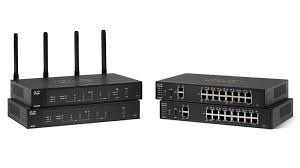
A typical networking setup includes essential components such as routers, switches, cables, wireless access points, and network servers. These components work together to create a structured system that allows data to travel between devices smoothly and securely. Networks can be wired, using Ethernet cables, or wireless, using Wi-Fi technology. Depending on the size and purpose, networks can range from small local area networks (LAN) used in homes and offices to large wide area networks (WAN) that connect systems across cities or even countries. Modern networking technologies also include cloud connectivity, network security protocols, and remote access capabilities.
Networking plays a crucial role in improving productivity, communication, and operational efficiency in both personal and professional environments. Businesses rely on networks to manage data, operate software systems, support online services, and enable collaboration among employees. Secure networking also helps protect sensitive information through firewalls, encryption, and monitoring systems. As technology continues to evolve, networking is becoming faster, more reliable, and more intelligent, supporting innovations such as cloud computing, Internet of Things (IoT), and smart infrastructure across various industries.